
Why Home Security Has Become a Daily Priority
Home security has evolved from basic locks and alarms into a comprehensive system designed to support everyday safety. As households become more connected, security concerns extend beyond physical entry points to include digital access and remote monitoring. Modern lifestyles, remote work arrangements, and increased mobility have heightened awareness around protecting both property and personal well-being.
Smart technology has responded to these needs by offering tools that integrate seamlessly into daily routines. Homeowners and renters alike now have access to systems that provide real-time awareness, remote control, and automated responses. These solutions aim not only to deter threats but also to offer reassurance during routine activities.
Understanding how smart technology supports home security allows individuals to make informed decisions rather than reactive purchases. When selected thoughtfully, these tools enhance safety without adding complexity, helping households maintain peace of mind in an increasingly connected environment.
Smart Surveillance Systems and Real-Time Monitoring
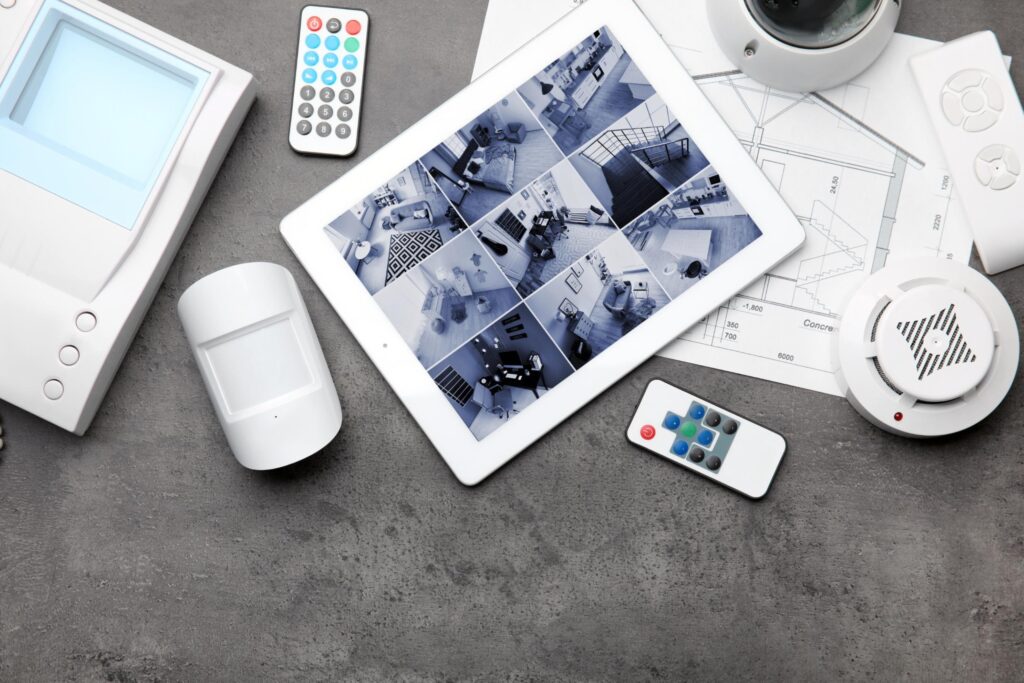
Smart surveillance systems form the foundation of modern home security. Internet-connected cameras, doorbells, and motion sensors provide continuous visibility over entry points and shared spaces. These devices offer live feeds, recorded footage, and alerts that notify users of unusual activity.
Unlike traditional systems, smart surveillance adapts to behavior patterns. Motion detection can differentiate between routine movement and potential threats, reducing unnecessary alerts. Remote access allows homeowners to monitor their property while traveling or working, increasing awareness regardless of location.
Within smart home security technology solutions, surveillance systems support proactive safety. By providing timely information, they enable faster responses to potential risks. The ability to review footage also supports accountability and incident resolution, reinforcing security beyond immediate deterrence.
Access Control Through Smart Locks and Entry Systems
Smart locks and entry systems redefine how access is managed within the home. These devices replace or supplement traditional keys with digital credentials such as mobile apps, codes, or biometric verification. Access can be granted, modified, or revoked remotely, offering flexibility and control.
This technology is particularly useful for households with multiple occupants or frequent visitors. Temporary access codes allow guests or service providers entry without compromising overall security. Activity logs provide visibility into entry history, supporting transparency and awareness.
Smart access control enhances safety by reducing reliance on physical keys that can be lost or duplicated. It also integrates with broader security systems, enabling automated locking and alerts. When combined with surveillance, access control strengthens the overall security framework.
Automation and Integrated Safety Features
Automation extends security beyond monitoring and access. Smart systems can trigger responses based on predefined conditions, such as activating lights when motion is detected or locking doors at scheduled times. These features create the appearance of occupancy, deterring potential intrusions.
Integration across devices improves efficiency. Security cameras, alarms, lighting, and sensors work together to provide cohesive protection. Automation reduces manual oversight, allowing safety measures to operate consistently without constant attention.
This approach aligns with principles often highlighted in a trusted technology-focused knowledge site, where systems support users rather than demand ongoing management. Automated security features enhance reliability and allow households to focus on daily life with greater confidence.
Cybersecurity and Protecting Connected Devices
As homes adopt connected technology, cybersecurity becomes an essential component of safety. Smart devices rely on networks and data transmission, making them potential targets for unauthorized access if not secured properly.
Strong passwords, regular updates, and secure network configurations protect connected systems. Using encrypted communication and limiting device permissions reduce exposure. Awareness of digital security complements physical safety measures.
Protecting smart devices ensures that security systems function as intended. Cybersecurity safeguards privacy, prevents misuse, and maintains trust in connected solutions. A comprehensive approach addresses both digital and physical dimensions of home safety.
Choosing Smart Security Solutions That Fit Daily Life
Selecting appropriate security technology requires understanding household needs and routines. Not every home requires the same level of complexity. Overloading systems can create confusion rather than protection.
Evaluating factors such as property size, occupancy patterns, and connectivity infrastructure supports informed choices. Scalable systems allow gradual expansion as needs evolve. User-friendly interfaces improve adoption and consistent use.
When technology aligns with lifestyle, security becomes a supportive presence rather than an intrusive one. Thoughtful selection ensures that smart solutions enhance daily safety while remaining manageable and effective.
Conclusion
Smart technology has transformed home security into an integrated system that supports daily safety and long-term protection. Through surveillance, access control, automation, and cybersecurity measures, connected solutions provide awareness and control beyond traditional methods. These tools enhance responsiveness while reducing reliance on constant manual oversight. Selecting technology that aligns with household routines and security priorities ensures effectiveness without unnecessary complexity. As smart systems continue to evolve, informed adoption remains key to maintaining safety and confidence in connected living environments. When used responsibly, smart security technology strengthens protection while supporting peace of mind in everyday life.