
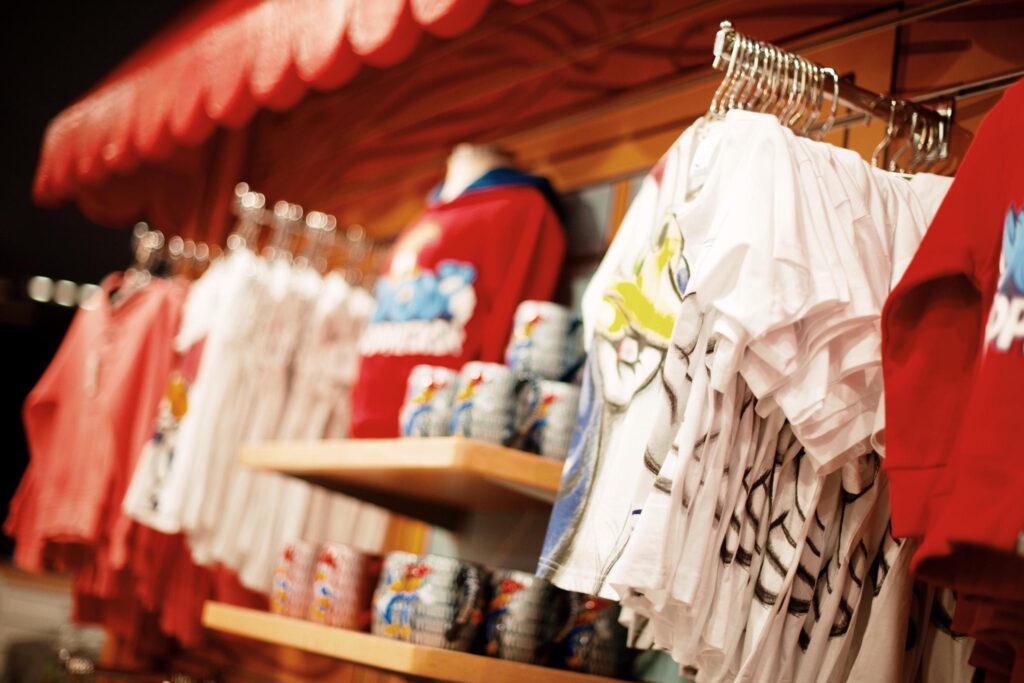
The Global Demand Behind Fandom-Driven Commerce
Anime and K-Pop have evolved into global cultural forces, shaping fashion, entertainment, and online purchasing behavior. What once existed as niche fandoms now supports a thriving international market for merchandise, ranging from apparel and accessories to collectibles and lifestyle products. The growth of streaming platforms, global tours, and digital communities has made fan engagement more accessible than ever, creating consistent demand for themed merchandise.
Selling anime and K-Pop products online is not simply about sourcing popular items. It requires understanding how fandoms operate, how trends move quickly across regions, and how trust influences purchasing decisions. Fans often seek authenticity, limited availability, and emotional connection to the content they support. This makes product selection, branding, and communication critical factors.
Entrepreneurs entering this space must balance enthusiasm with preparation. The market rewards sellers who understand both the cultural context and the operational requirements of online commerce. When approached strategically, anime and K-Pop merchandise can support long-term growth rather than short-term hype.
Understanding the Fandom Market and Product Selection
The foundation of successful merchandise sales lies in understanding fandom behavior. Anime and K-Pop audiences are highly engaged, digitally active, and detail-oriented. They pay close attention to official releases, artist activity, and visual representation. Products that align closely with these elements tend to perform better than generic alternatives.
Product selection should be guided by research rather than assumption. Sellers must track what fans actively discuss, collect, and share online. This includes observing social platforms, fan forums, and release schedules. Limited-edition items, collaboration pieces, and officially licensed goods often attract strong interest, but they also come with higher sourcing requirements.
Within online retail merchandising strategies, selecting products that balance popularity and sustainability is essential. Overreliance on short-term trends can result in excess inventory once interest shifts. Sellers who diversify offerings while maintaining relevance are better positioned to adapt as fandom preferences evolve.
Building an Online Store That Earns Trust
Trust plays a decisive role in fandom-based e-commerce. Buyers are often cautious, particularly when purchasing collectibles or branded items online. A well-structured store communicates reliability through clear product descriptions, transparent policies, and professional presentation.
Website design should emphasize usability and credibility. Clear navigation, secure payment options, and visible customer support channels reduce hesitation. Product listings benefit from accurate imagery, detailed sizing information, and honest descriptions. Overpromising or misrepresenting items can damage reputation quickly within fan communities.
Brand communication should reflect respect for the culture being served. Sellers who demonstrate understanding of anime and K-Pop communities build stronger relationships with customers. Consistency across social media, email communication, and order updates reinforces professionalism. Trust, once established, becomes a powerful driver of repeat purchases and organic growth.
Fulfillment, Packaging, and Shipping Considerations
Fulfillment is often where new e-commerce ventures face challenges. Anime and K-Pop merchandise buyers expect careful handling, particularly for collectibles and fragile items. Packaging should protect products while also reflecting brand identity. Thoughtful presentation enhances customer experience without excessive cost.
Shipping strategy must account for international demand. Many fans purchase across borders, making customs handling, shipping rates, and delivery timelines important considerations. Offering tracked shipping and clear delivery expectations reduces post-purchase friction. Delays can occur, but proactive communication maintains trust.
Efficient fulfillment supports scalability. Sellers who streamline packing processes, manage inventory accurately, and work with reliable carriers reduce operational stress. As order volume grows, these systems become increasingly important. Well-managed fulfillment allows the business to focus on expansion rather than constant troubleshooting.
Marketing Merchandise Without Relying on Hype Alone
Marketing anime and K-Pop merchandise requires more than promotional posts. Audiences respond to authenticity, consistency, and engagement rather than constant sales messaging. Successful sellers integrate products naturally into content that reflects fandom culture.
Social platforms play a central role, but messaging should remain balanced. Highlighting product stories, behind-the-scenes preparation, and customer experiences builds connection. Community engagement, such as responding to comments or acknowledging fan milestones, strengthens brand presence without aggressive promotion.
This approach aligns with the philosophy of a digital publishing platform for readers, where sustained engagement matters more than momentary attention. Merchandise sellers who focus on relationship-driven marketing often experience steadier growth and stronger customer loyalty over time.
Scaling the Business with Sustainability in Mind
Long-term success in fandom-based e-commerce depends on adaptability. Trends will shift, artists will evolve, and audience interests will change. Businesses that plan for flexibility are better equipped to adjust product lines, pricing, and marketing approaches.
Sustainable growth involves monitoring performance data, managing costs, and reinvesting strategically. Sellers should evaluate which products generate consistent demand and which introduce unnecessary risk. Partnerships with reliable suppliers and fulfillment providers support operational stability.
Scaling should not compromise brand integrity. Maintaining service quality, communication standards, and fulfillment reliability ensures that growth enhances reputation rather than weakens it. When managed responsibly, selling anime and K-Pop merchandise can evolve from a niche venture into a durable online business.
Conclusion
Selling anime and K-Pop merchandise online offers meaningful opportunity for entrepreneurs who approach the market with preparation and respect for the audience. Success depends on understanding fandom culture, selecting products responsibly, building trust through transparent operations, and managing fulfillment with care. Marketing efforts that prioritize engagement over hype foster stronger customer relationships, while strategic planning supports sustainable expansion. By treating merchandise sales as a long-term enterprise rather than a trend-driven pursuit, sellers can build businesses that adapt alongside evolving fan communities. Growth becomes more reliable when passion is supported by structure, and when enthusiasm is paired with systems designed to support consistency, reliability, and customer satisfaction over time.