
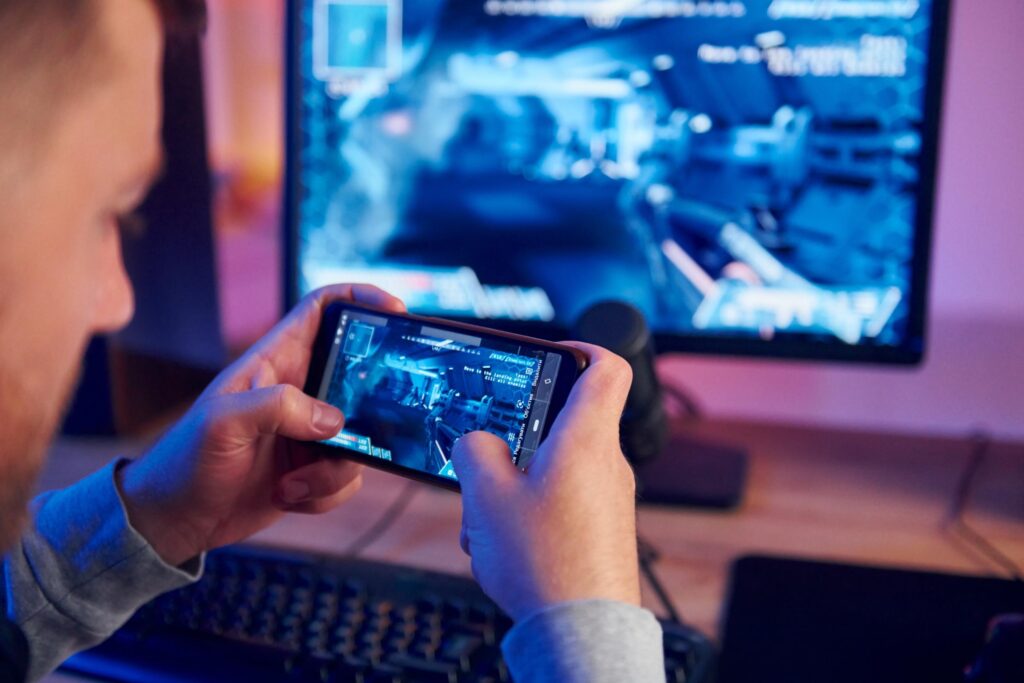
Gaming Habits in an Always-Connected World
Gaming has evolved from a stationary hobby into a flexible form of entertainment shaped by lifestyle, technology, and accessibility. Today’s players no longer fit a single profile. Some prefer immersive, high-performance experiences, while others value convenience and short-session play. This shift has fueled ongoing discussion around whether PC or mobile gaming better aligns with modern playstyles.
Advancements in hardware, connectivity, and game design have elevated both platforms. PCs offer technical depth, customization, and performance, while mobile devices deliver accessibility and constant availability. The choice between them often reflects how players manage time, prioritize engagement, and integrate gaming into daily routines.
Understanding the strengths and limitations of each platform helps players make informed decisions. Rather than declaring a universal winner, examining how each platform supports different playstyles provides clearer insight into why both continue to grow in parallel.
Performance, Control, and Immersion on PC
PC gaming remains the preferred choice for players who value performance and precision. High processing power, customizable graphics settings, and advanced peripherals allow for deeply immersive experiences. Genres such as strategy, simulation, and competitive multiplayer often benefit from keyboard-and-mouse input and high frame rates.
Control flexibility is a defining advantage. Players can adjust key bindings, sensitivity, and interface layouts to match personal preference. This level of customization supports competitive play and long sessions, particularly in esports and performance-driven environments.
Within competitive online gaming platforms, PCs continue to dominate due to stability and adaptability. Dedicated hardware supports complex mechanics and large-scale worlds, offering experiences that remain difficult to replicate fully on mobile devices. For players seeking depth and control, PC gaming remains highly relevant.
Accessibility and Convenience of Mobile Gaming
Mobile gaming has expanded rapidly by meeting players where they are. Smartphones and tablets offer instant access, minimal setup, and intuitive controls. Games designed for touch input support short sessions that fit into daily routines, such as commuting or breaks.
The mobile platform excels in accessibility. Players do not need specialized equipment or dedicated space. Many mobile games are free-to-play, reducing entry barriers and encouraging experimentation. This accessibility has broadened the gaming audience significantly.
Mobile gaming also benefits from constant connectivity. Social integration, frequent updates, and live events keep players engaged. While mobile experiences may prioritize simplicity, they offer consistency and convenience that align with modern, on-the-go lifestyles.
Time Commitment and Playstyle Flexibility
Modern playstyles vary widely in time availability. Some players prefer extended sessions, while others engage intermittently. PC gaming typically favors longer, uninterrupted play, making it well-suited for players with dedicated gaming time.
Mobile gaming supports fragmented schedules. Games are often designed for quick entry and exit, allowing progress in short bursts. This flexibility appeals to players balancing work, study, or family responsibilities.
The distinction reflects broader lifestyle patterns. Neither platform is inherently superior; each aligns with different time-management needs. Understanding personal availability helps players choose experiences that enhance enjoyment rather than create pressure.
Social Interaction and Community Engagement
Social features influence platform preference significantly. PC gaming often emphasizes multiplayer ecosystems, voice communication, and community-driven content. Players engage through forums, modding communities, and competitive events.
Mobile gaming fosters social interaction through in-game messaging, cooperative mechanics, and casual competition. Social engagement is often lightweight but frequent, encouraging ongoing participation without long commitments.
This dynamic aligns with a reader-focused digital content hub, where engagement adapts to audience behavior rather than imposing rigid structures. Gaming communities thrive when platforms support how players naturally interact, reinforcing the value of both PC and mobile environments.
Cost, Longevity, and Platform Evolution
Cost considerations play a role in platform choice. PC gaming requires upfront investment in hardware but offers long-term flexibility through upgrades. Mobile gaming leverages devices users already own, lowering initial cost.
Longevity depends on personal priorities. PC platforms support expansive libraries and backward compatibility, while mobile ecosystems emphasize continual content refresh. Both models sustain engagement differently.
As technology evolves, boundaries between platforms continue to blur. Cloud gaming, cross-platform play, and improved mobile hardware suggest that future playstyles may combine elements of both rather than favor one exclusively.
Conclusion
The question of whether PC or mobile gaming better fits modern playstyles has no single answer. Each platform addresses different needs shaped by time availability, engagement preferences, and lifestyle demands. PC gaming excels in performance, immersion, and control, supporting players who value depth and extended play. Mobile gaming offers accessibility, flexibility, and convenience, appealing to players who integrate gaming into daily life. As technology advances, both platforms continue to evolve, often complementing rather than competing with each other. Understanding personal habits and priorities remains the most effective way for players to choose the platform that enhances enjoyment and sustains long-term engagement.