
Why Four-Season Travel Appeals to Modern Explorers
Travel preferences have shifted as more people seek destinations that offer variety, balance, and continuity throughout the year. Experiencing all four seasons in a single location allows travelers to engage with changing landscapes, cultural rhythms, and activities without limiting exploration to a narrow window. Seasonal diversity adds depth to travel experiences, making each visit distinct.
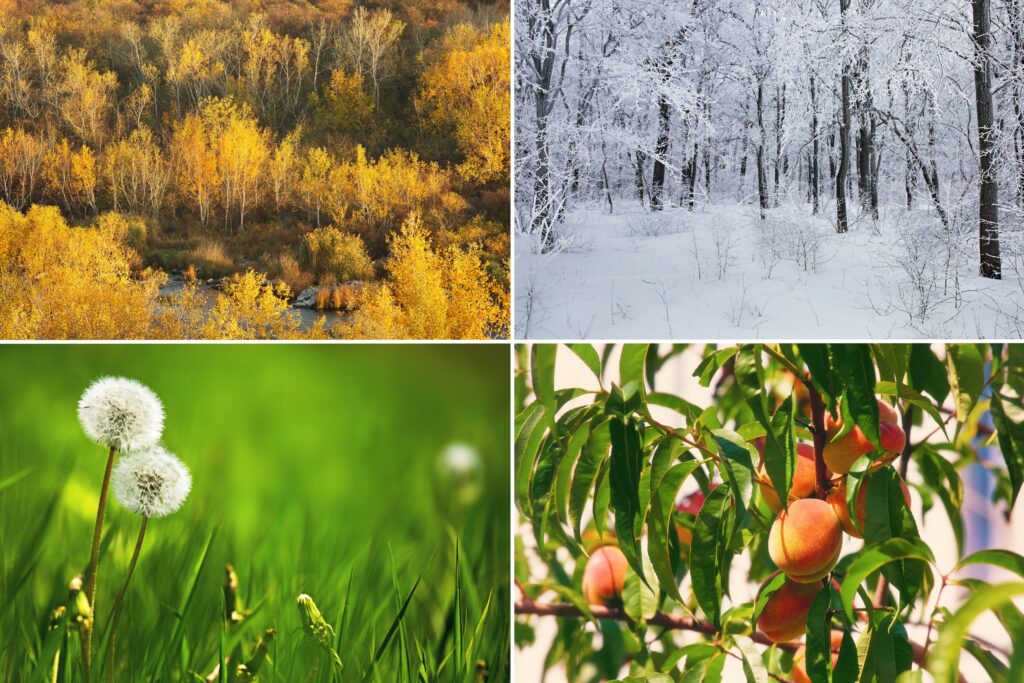
Destinations with defined seasonal cycles provide opportunities for outdoor recreation, cultural events, and environmental contrast. From snow-covered winters to vibrant springs, warm summers, and reflective autumns, four-season locations offer dynamic travel experiences that evolve naturally. This variety supports repeat visits and longer stays.
Four-season travel also appeals to travelers who value flexibility. Rather than planning around peak periods alone, visitors can choose timing based on personal interests, budget considerations, or preferred climate. Understanding which destinations support year-round adventure helps travelers plan meaningful journeys that adapt to changing conditions.
Mountain Regions with Seasonal Contrast
Mountain destinations are among the most reliable options for four-season travel. Regions such as the Swiss Alps, the Rocky Mountains, and parts of Japan offer distinct experiences throughout the year. Winter brings snow-based activities, while spring introduces alpine blooms and milder exploration. Summer supports hiking, cycling, and outdoor festivals, followed by autumn landscapes shaped by changing foliage.
These regions often balance natural beauty with well-developed infrastructure. Transport systems, accommodation options, and seasonal services allow travelers to access activities regardless of timing. Mountain towns adapt offerings to each season, ensuring consistent visitor engagement.
Within four-season travel destination planning, mountains provide predictable transitions and diverse experiences. Travelers seeking adventure, scenery, and seasonal rhythm often find mountain regions ideal for year-round exploration.
Cities That Transform with the Seasons
Certain cities thrive across all seasons by blending cultural programming with environmental change. Cities such as Vienna, Prague, and Seoul offer seasonal festivals, culinary shifts, and architectural appeal throughout the year. Winter markets, spring gardens, summer events, and autumn traditions create evolving experiences.
Urban four-season destinations benefit from stable amenities. Museums, public transport, and dining remain accessible year-round, while seasonal programming adds variation. Visitors can enjoy indoor cultural experiences during colder months and outdoor exploration during warmer periods.
These cities demonstrate how seasonal change enhances rather than limits travel. Travelers experience familiar spaces in new ways as weather and cultural calendars shift. Urban destinations with seasonal adaptability support flexible travel planning and repeat visits.
Coastal Destinations with Year-Round Appeal
Coastal regions with temperate climates offer another form of four-season travel. Areas such as the Pacific Northwest, parts of New Zealand, and southern Europe maintain outdoor accessibility while showcasing seasonal variation. Beaches, coastal trails, and maritime culture evolve with weather patterns.
Winter may emphasize dramatic landscapes and quiet exploration, while spring and summer highlight water activities and coastal events. Autumn often brings milder temperatures and fewer crowds, creating reflective travel opportunities. Coastal destinations often balance relaxation with adventure throughout the year.
This adaptability aligns with content often explored on a global travel and lifestyle hub, where destinations are evaluated for long-term engagement rather than seasonal peaks. Coastal regions that support year-round exploration provide consistent value across travel preferences.
Countries Known for Seasonal Diversity
Some countries naturally support four-season travel due to geographic diversity. Japan, Canada, and Italy offer varied climates and regions within a single national boundary. Travelers can experience snow, blossoms, warmth, and harvest seasons without crossing borders.
This diversity supports flexible itineraries. Visitors may plan seasonal routes that highlight different regions depending on timing. Cultural traditions often align closely with seasonal changes, adding depth to travel experiences.
Countries with defined seasonal variation encourage exploration beyond major tourist centers. Regional travel becomes more attractive as travelers seek authentic experiences tied to seasonal life. This approach enhances understanding of local culture and environment.
Planning Travel Around Seasonal Activities
Effective four-season travel requires aligning destinations with desired activities. Skiing, hiking, festivals, culinary events, and nature observation each peak at different times. Understanding seasonal calendars supports meaningful planning.
Travelers benefit from researching weather patterns, event schedules, and regional highlights. Off-peak travel often offers quieter experiences and cost advantages, while peak seasons provide energy and atmosphere. Balancing expectations with timing enhances satisfaction.
Thoughtful planning ensures each season offers value rather than compromise. By embracing seasonal variation, travelers experience destinations as living environments rather than static attractions.
Conclusion
Experiencing all four seasons through travel offers depth, variety, and continuity that single-season destinations cannot match. Mountain regions, adaptable cities, coastal landscapes, and geographically diverse countries provide year-round opportunities shaped by natural and cultural cycles. Seasonal change enhances travel by offering different activities, atmospheres, and perspectives throughout the year. Successful four-season travel depends on thoughtful planning that aligns destinations with seasonal interests and expectations. By embracing change rather than avoiding it, travelers gain richer experiences and greater flexibility. Destinations that support year-round adventure allow exploration to evolve naturally, making travel more meaningful across time rather than limited to a single moment.